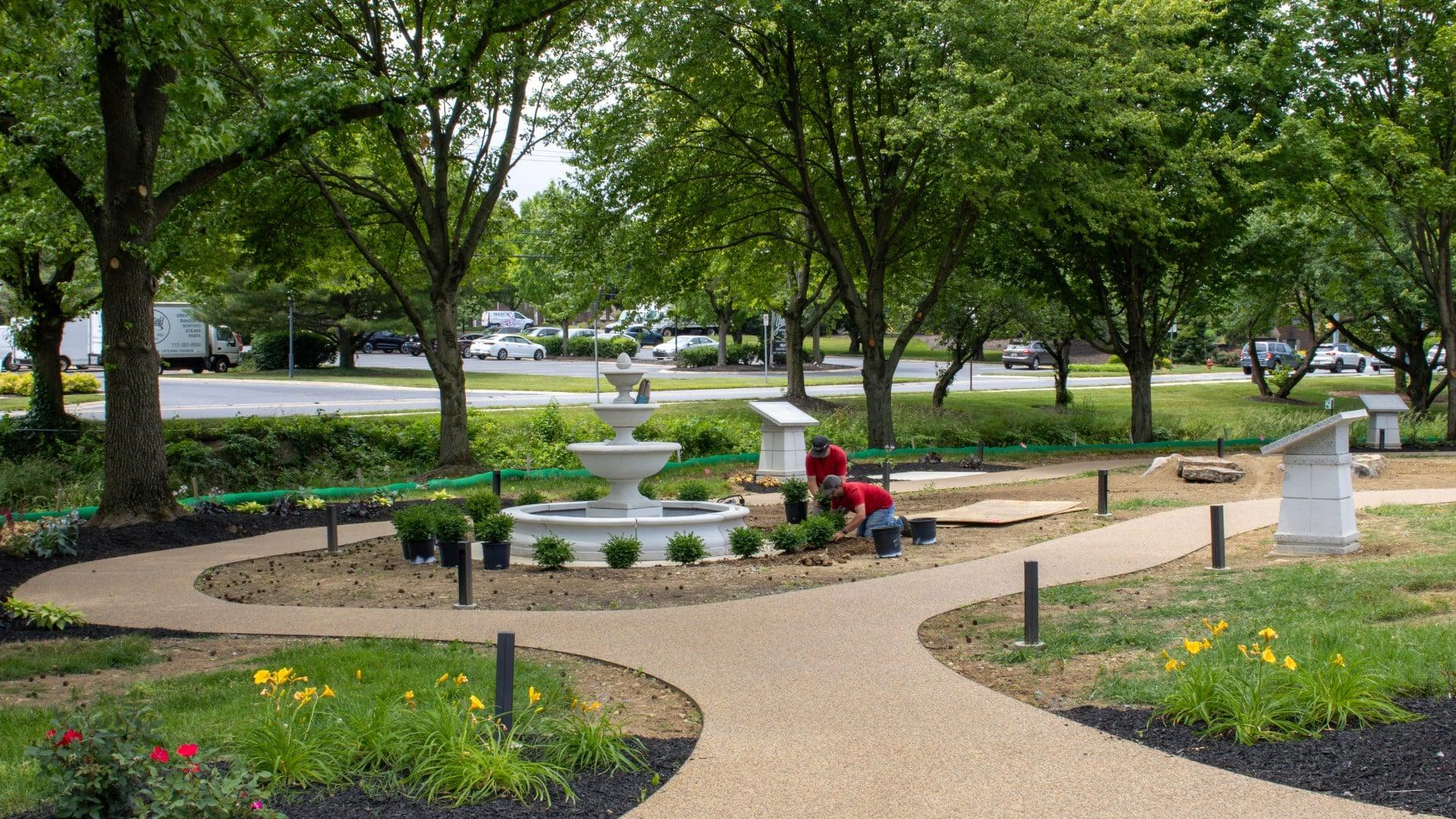
The Greenfield Garden of Peace
A place to pause. A place to remember what connects us.
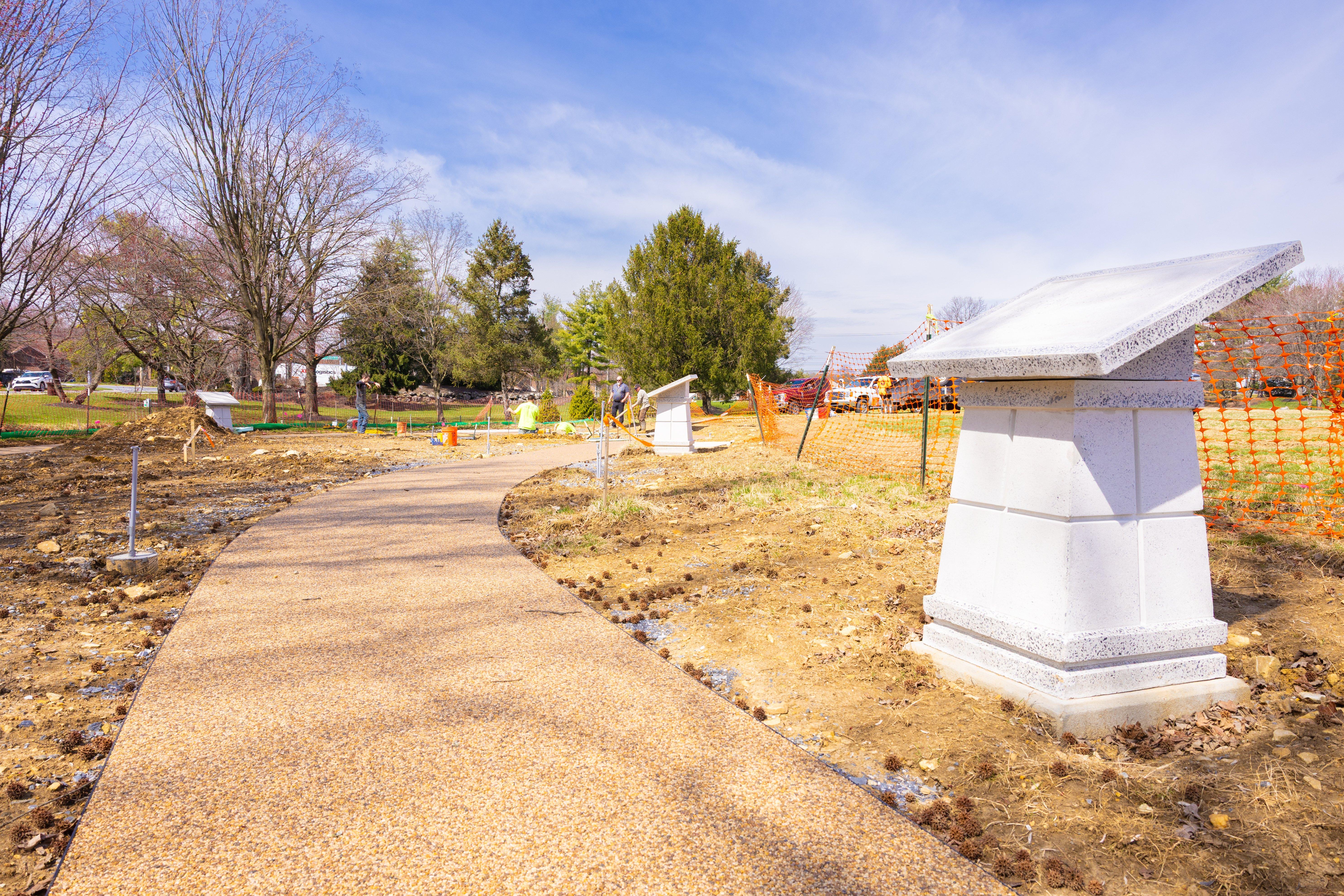
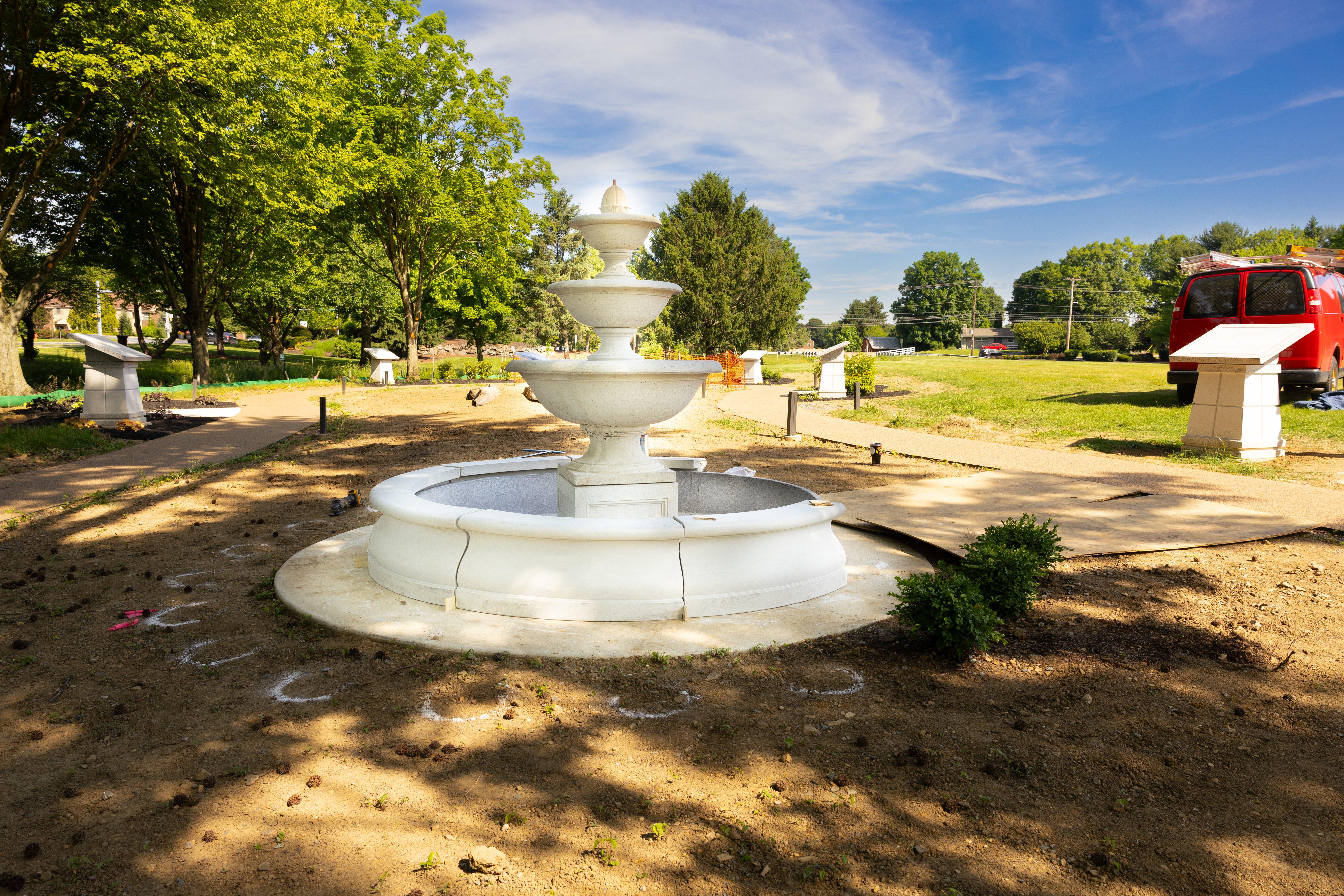
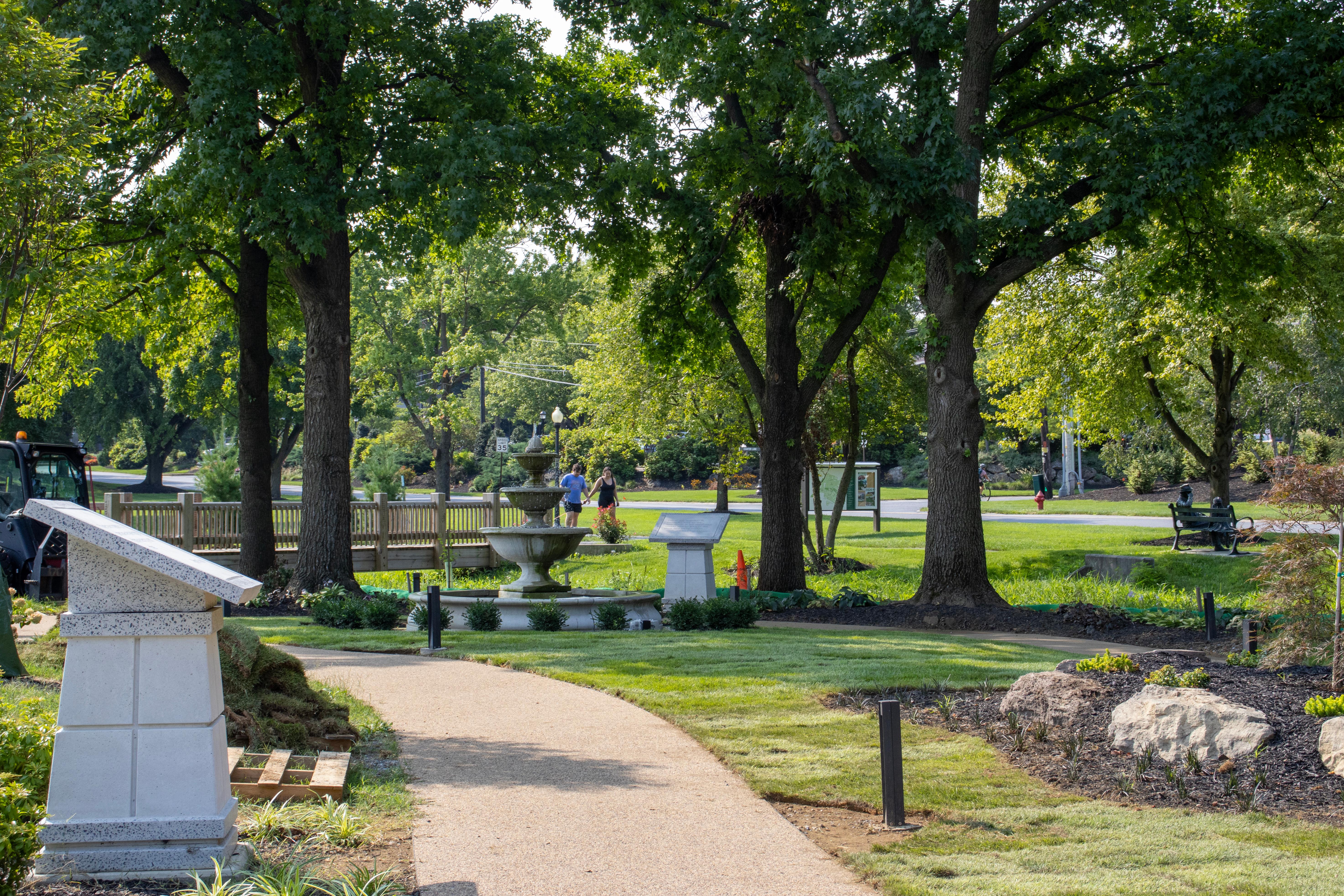
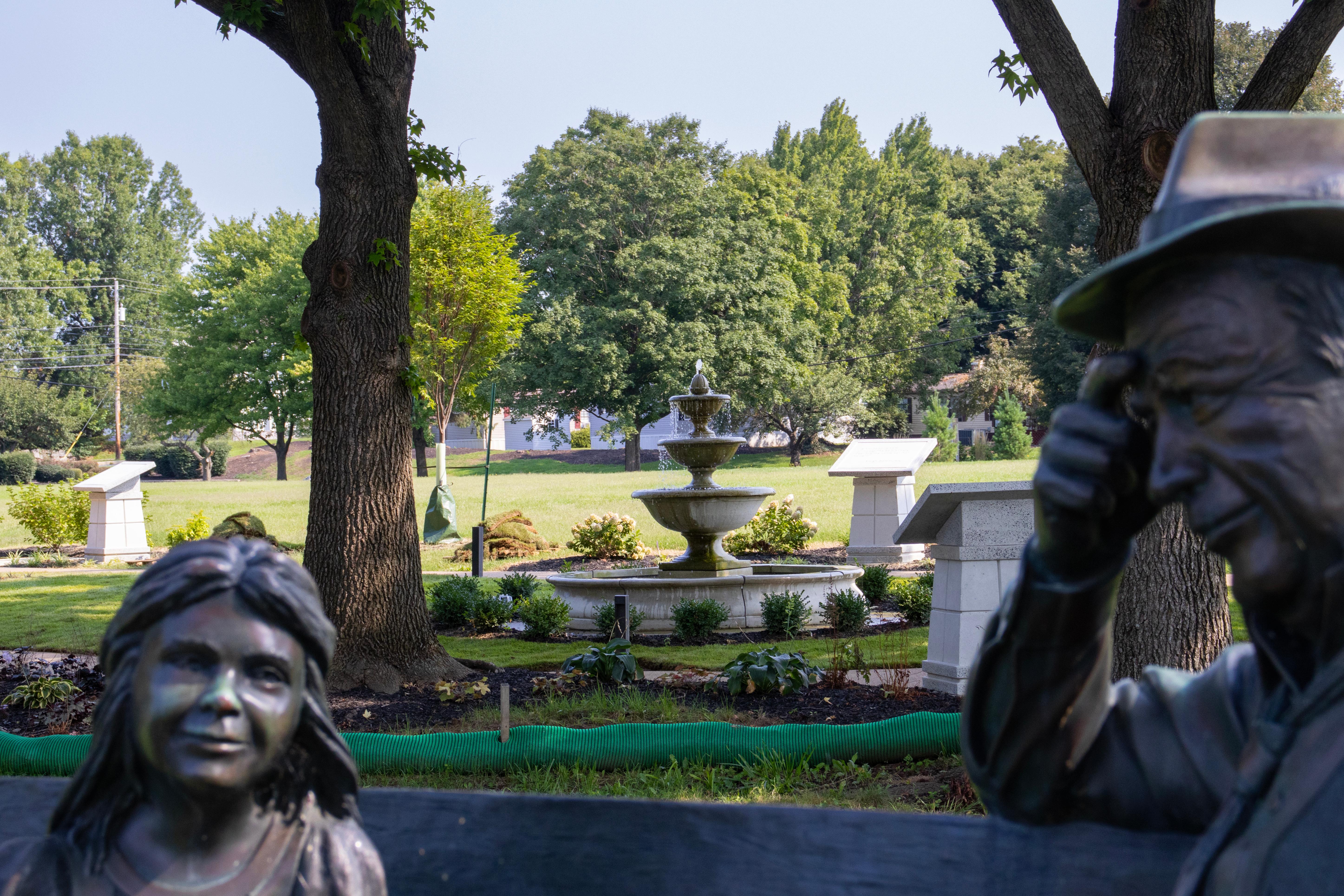
First imagined by S. Dale High, the Peace Garden is more than a landscape, it is an invitation. A place designed for reflection, where the pace slows and the noise of daily life softens. Here, among carefully placed paths and pedestals, visitors are encouraged to pause and consider a simple but powerful truth: there is more that unites us than divides us.
Throughout the garden, a series of cast-stone pedestals anchor this idea in voices from across time, culture, and experience. Each inscription offers a perspective on peace—not as an abstract ideal, but as something lived, chosen, and shared.
One pedestal recalls the words of Lenape leader Chief Tamanend, who urged people to live together in peace “as long as the waters run in the rivers and creeks and as long as the stars and moon endure.”
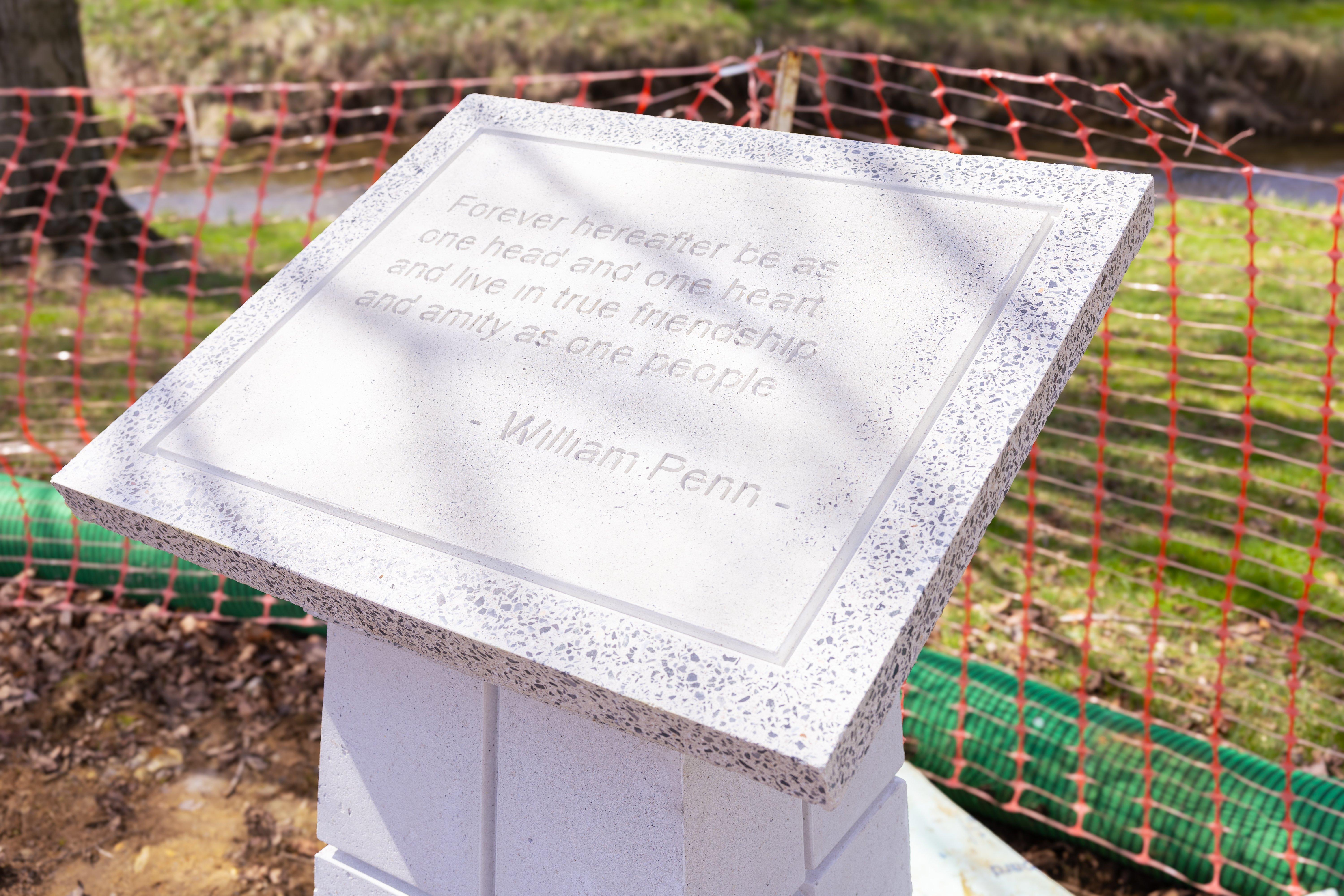
Nearby, William Penn’s vision for Pennsylvania echoes that same spirit, calling for us to be “as one head and one heart…in true friendship and amity.”
Other voices remind us that peace is not only a historical aspiration, but a personal practice. In nearby Lancaster County, the Amish community responded to tragedy with forgiveness, reflecting the belief that “the acid of hate destroys the container that holds it.”
The garden also reaches into modern expressions of unity and hope. Poet Amanda Gorman calls us to “lay down our arms so that we can reach our arms out to one another,” while Mother Teresa reminds us that peace begins with recognizing that “we belong to each other.”
And in a timeless refrain, Jimi Hendrix’s words offer a vision for the world: when love overcomes power, peace becomes possible.
Together, these voices form a shared narrative. One that crosses centuries and backgrounds yet arrives at the same truth: peace is built through connection, empathy, and understanding.
The Greenfield Peace Garden was created to hold that story.
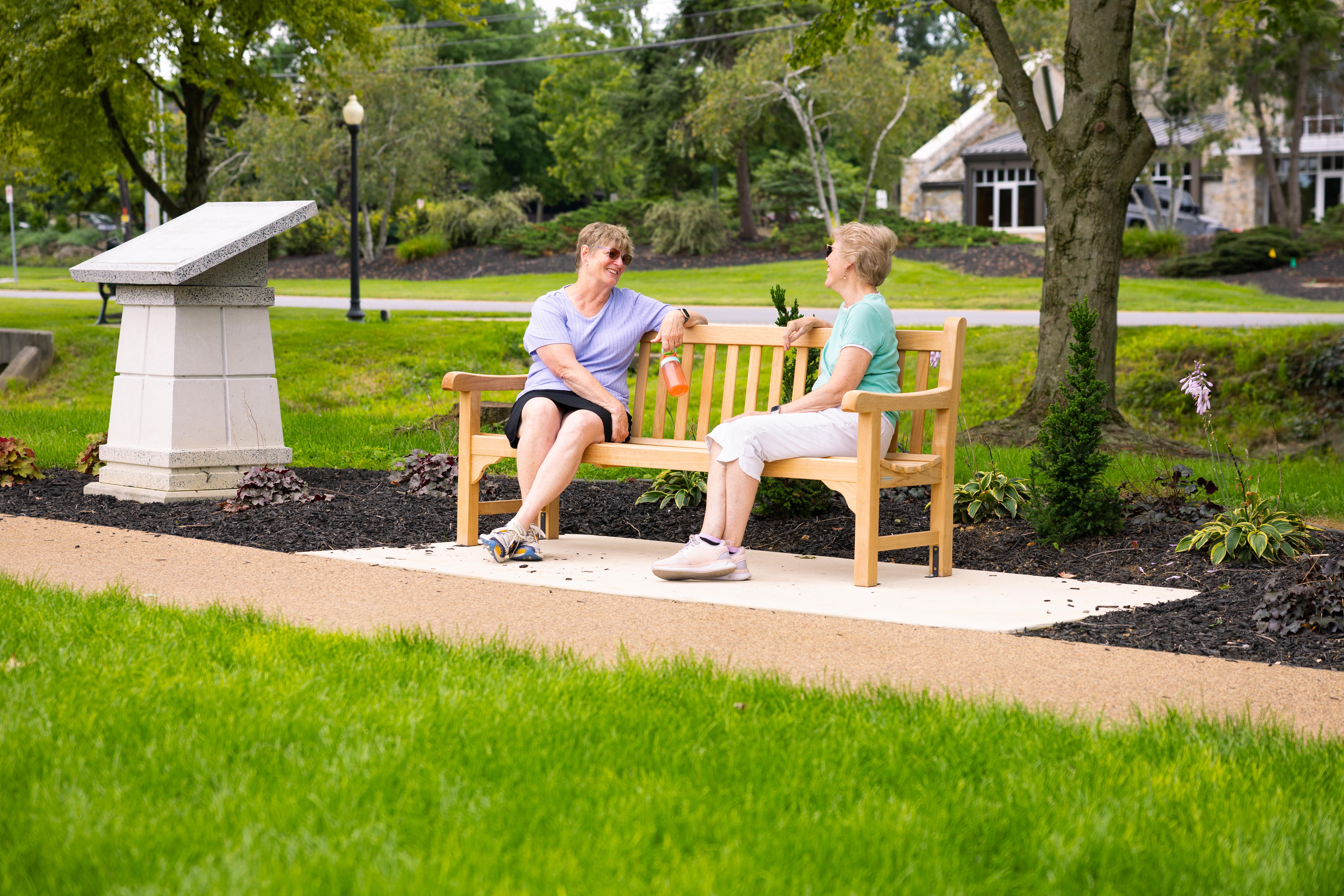
It is a place for individuals and families, colleagues and neighbors, to gather or to sit quietly alone. A place to reflect on the past, consider the present, and imagine a more unified future.
As you walk through the garden, you become part of that story.
To further explore the voices represented in the Peace Garden, Greenfield partnered with Steven M. Nolt, Ph.D., an acclaimed Lancaster County historian, author, and Senior Scholar at Elizabethtown College's Young Center for Anabaptist and Pietist Studies, to provide historical context and insight into each quotation. Read the guide here.
Visit the Garden
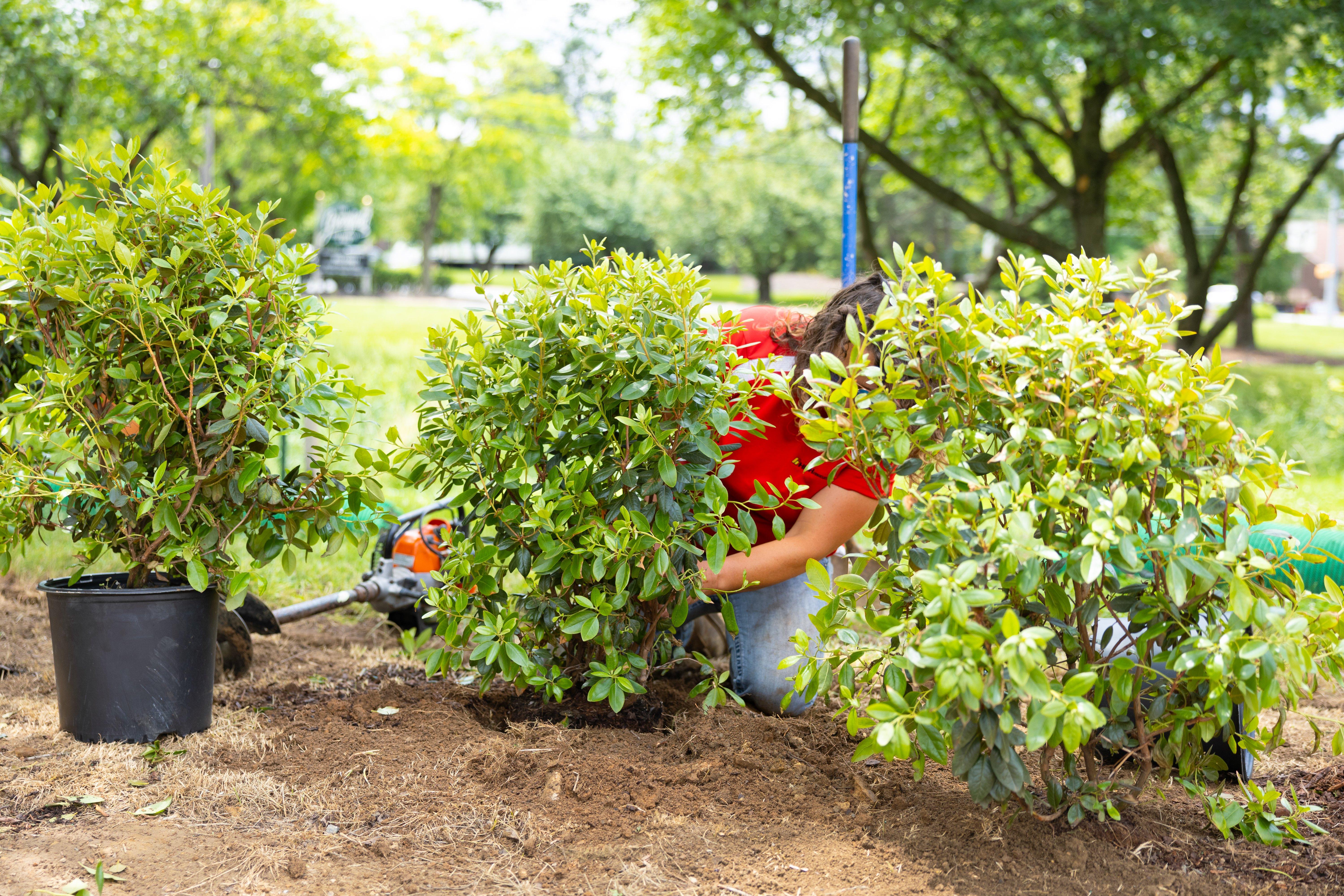
The Greenfield Garden of Peace welcomes all who seek reflection, connection, or quiet. Located in the heart of Greenfield in Lancaster County, Pennsylvania, it offers a serene space to pause in nature, walk among the pedestals and their messages, and gather for contemplation or conversation—whether alone or with others. Parking is available at the S. Dale High Leadership Center (1861 William Penn Way), and the garden is open daily from sunrise to sunset. Whether you come for a few minutes or linger longer, the Peace Garden offers an opportunity to step back and step closer to what unites us all.
Garden Gallery